The Ultimate Guide to Retaining Wall Construction in Notting Hill


Understanding the Basics of Retaining Walls
Retaining walls are essential structures designed to hold back soil and prevent erosion. In the charming neighborhood of Notting Hill, these walls not only serve a functional purpose but also add aesthetic value to gardens and landscapes. Whether you're looking to create a terrace, manage a slope, or simply enhance your garden's appearance, understanding the basics of retaining wall construction is crucial.

The most common materials used for retaining walls include concrete, stone, and wood. Each material offers different benefits, and your choice will depend on factors like budget, aesthetics, and the specific needs of your landscape. It's important to evaluate the site's conditions and consult with professionals to make informed decisions.
Planning Your Retaining Wall
Before starting construction, thorough planning is essential. Begin by assessing the area where you intend to build the wall. Consider the wall's height, length, and the type of soil it will support. In Notting Hill, local regulations may influence your design, so be sure to check with local authorities regarding permits and guidelines.
Creating a detailed plan will help in estimating costs and ensuring the project runs smoothly. It’s advisable to work with a landscape architect or a professional contractor who has experience with retaining walls.
Choosing the Right Materials
When selecting materials, think about both durability and appearance. Concrete blocks are popular for their strength and versatility. Natural stone, on the other hand, offers a timeless look but may come at a higher cost. Wood is an affordable option, though it may not last as long as stone or concrete in certain climates.

Construction Techniques
Once you've planned and chosen materials, it's time to focus on construction techniques. The process typically involves the following steps:
- Excavation: Clearing and leveling the area.
- Foundation: Laying a stable base, often with gravel or crushed stone.
- Wall Construction: Building the wall layer by layer, ensuring each layer is level.
- Drainage: Installing proper drainage to prevent water buildup behind the wall.
Proper drainage is crucial to the longevity of your retaining wall. Without it, water pressure can build up and cause the wall to fail.
Maintaining Your Retaining Wall
After construction, regular maintenance is key to ensuring the wall remains functional and attractive. Inspect the wall periodically for signs of wear, such as cracks or bulging. Address any drainage issues immediately to prevent further damage.
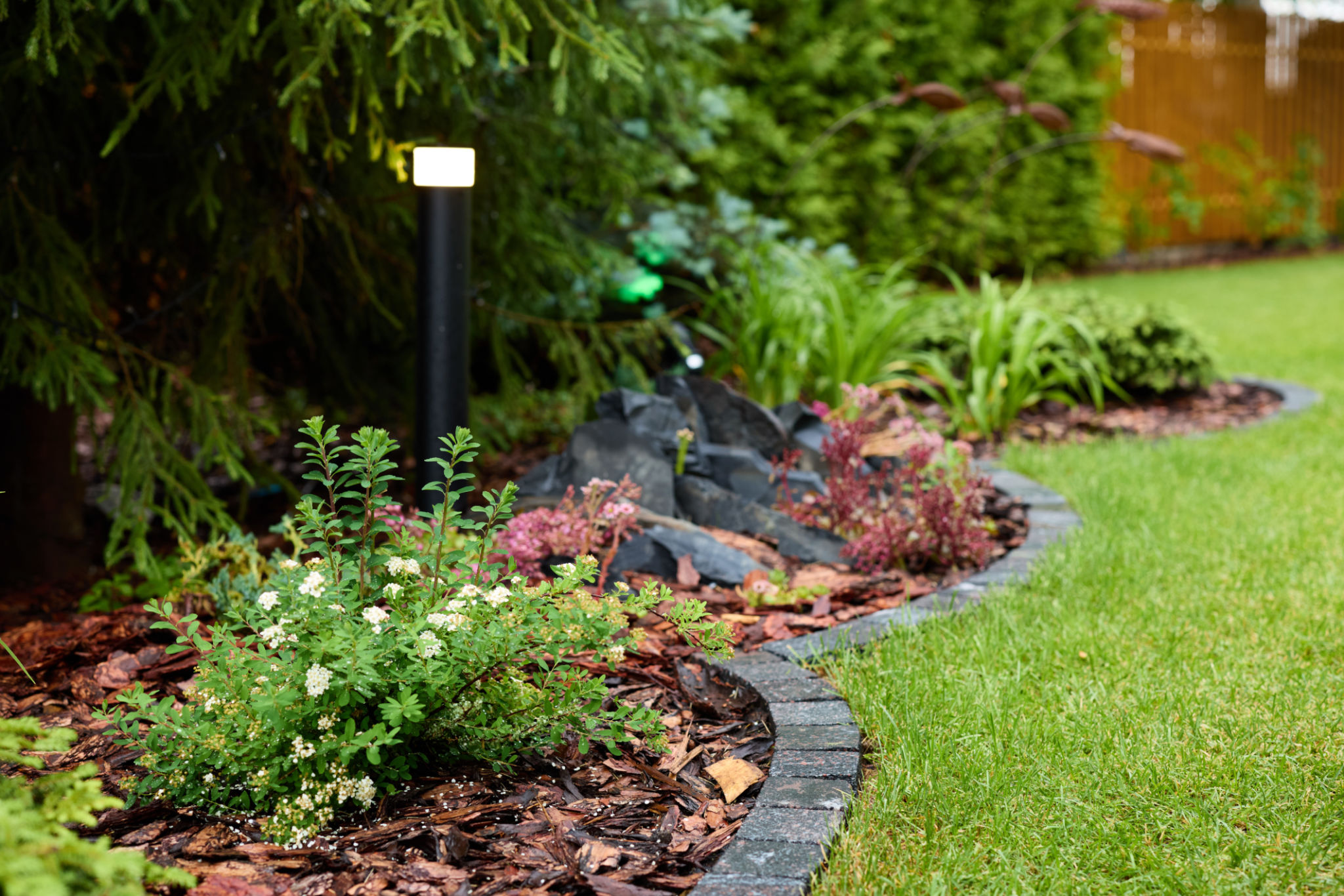
In Notting Hill's variable climate, seasonal changes can impact the integrity of retaining walls. Be proactive in maintaining your wall to enjoy its benefits for years to come.
Conclusion
Building a retaining wall in Notting Hill can be a rewarding project that enhances the beauty and functionality of your landscape. By understanding the basics, planning meticulously, and choosing the right materials, you can create a structure that stands the test of time. Remember to consult with professionals and follow local regulations to ensure a successful build.