The Ultimate Guide to Retaining Wall Construction in Notting Hill


Understanding Retaining Walls
Retaining walls are essential structures that serve both functional and aesthetic purposes. They help manage soil erosion, create level surfaces on sloped land, and enhance the landscape design. In Notting Hill, where properties often have unique elevations, retaining walls are particularly beneficial.

Types of Retaining Walls
Gravity Retaining Walls
Gravity retaining walls rely on their mass to hold back soil. These walls are typically made from heavy materials like concrete or stone. They are ideal for short walls and areas where space is not a constraint.
Reinforced Retaining Walls
Reinforced walls use materials like steel or geogrid to provide additional strength. This type is suitable for taller structures and areas with higher soil pressure. By incorporating reinforcements, these walls can withstand greater forces.
Choosing the Right Materials
Material selection is crucial for the durability and appearance of a retaining wall. Common materials include concrete, stone, brick, and timber. Each material offers different benefits and aesthetics:
- Concrete: Known for strength and durability, ideal for modern designs.
- Stone: Offers a natural look, perfect for blending with traditional landscapes.
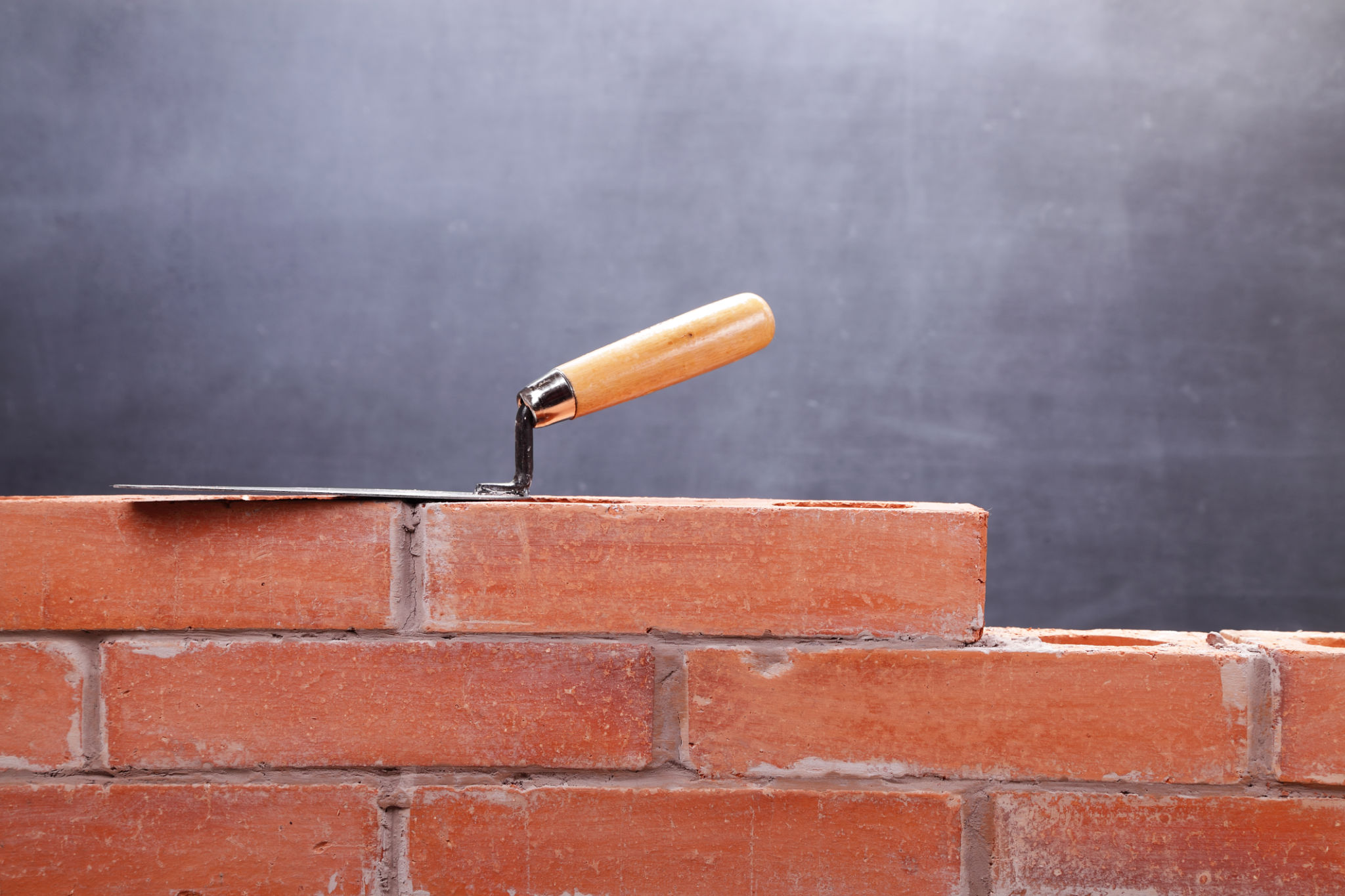
- Brick: Provides a classic appearance, great for residential properties.
- Timber: Cost-effective and easy to install, though less durable over time.
Planning and Design Considerations
Proper planning is essential for successful retaining wall construction. Consider the wall height, drainage requirements, and soil type. Consulting with a professional can help ensure all factors are addressed, avoiding potential structural issues.

Construction Process
Site Preparation
Begin by assessing the site and clearing any obstacles. Proper excavation is crucial, as the foundation is the most important part of a retaining wall. Ensure the base is level and compacted to provide stability.
Building the Wall
Follow the design plan, carefully laying each layer of material. Check for level and alignment regularly. If using reinforced materials, install them as specified in the design to ensure the wall's integrity.

Maintenance Tips
Regular maintenance prolongs the life of a retaining wall. Inspect for signs of wear or damage, such as cracks or bulging. Ensure proper drainage to prevent water build-up, which can weaken the structure over time.
With careful planning and execution, retaining walls can be a valuable addition to any Notting Hill property, enhancing both functionality and aesthetic appeal. Whether you're tackling a DIY project or hiring professionals, understanding the basics is key to success.